REGULATIONS
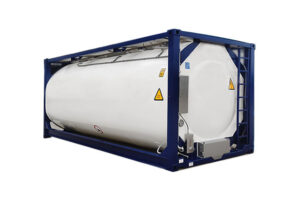
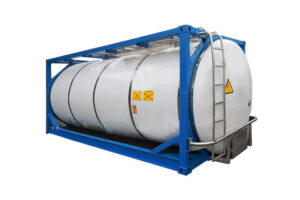
All Hazardous Tank Containers, irrespective of their build location in the world, are required to conform to the same rigorous regulations and minimum construction standards.
Regulations
Testing
DANGEROUS GOODS
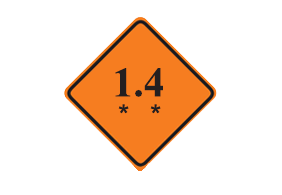
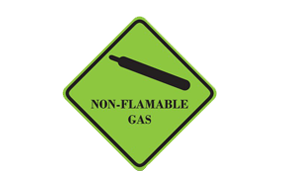
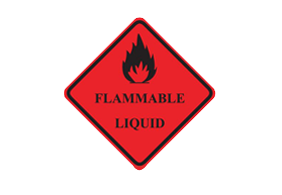
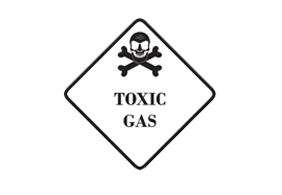
One of the types of transport that requires the most care and rigor is that of dangerous goods. Compliance with safety standards and established legislation is essential for your transport to be carried out without risk of any kind.
For this reason, in-depth knowledge of all the issues in the field is necessary to be able to carry out your work with materials reliably, since not taking this fact into account can incur significant costs for your company in the future. These so-called dangerous goods are materials or objects that present a risk to health, safety or that can cause damage to the environment, property or people.
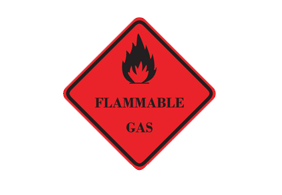
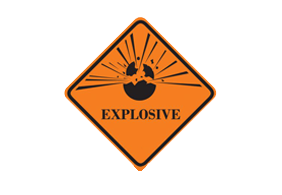
This term is used both in the transport sector and in the area of health safety or labeling, the term dangerous substance or preparation is used. Some of these materials may be flammable liquids and gases, explosive materials, radioactive or corrosive products.
GCS are also specialized in the logistical movement of this type of material, with which we strictly comply with all the legislation and regulations in force in the means of transport used.
1
1
1
2
2
2
2
3
4
4
5
5
5
6
7
7
7
8
TYPE
Explosive
Flammable gas
Other Gas
Flammable liquid
Flammable solid
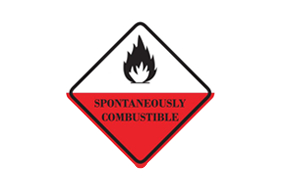
Spontaneously combustible
Dangerous when wet
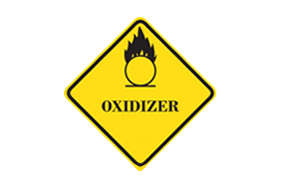
Oxidizing substance
Organic Peroxide
Poison
Infectious
Radioactive
Corrosive
Others
CAT
1
2
2
3
4.1
4.2
4.3
5.1
5.2
6.1
6.2
7
8
9
1
♦
♦
♦
♦
♦
♦
♦
♦
♦
♦
♦
♦
♦
Check Entry
2
♦
♦
♦
♦
♦
♦
♦
♦
♦
♦
♦
♦
♦
Check Entry
2
♦
♦
♦
♦
♦
♦
♦
♦
♦
♦
♦
♦
♦
Check Entry
3
♦
♦
♦
♦
♦
♦
♦
♦
♦
♦
♦
♦
♦
Check Entry
4.1
♦
♦
♦
♦
♦
♦
♦
♦
♦
♦
♦
♦
♦
Check Entry
4.2
♦
♦
♦
♦
♦
♦
♦
♦
♦
♦
♦
♦
♦
Check Entry
4.3
♦
♦
♦
♦
♦
♦
♦
♦
♦
♦
♦
♦
♦
Check Entry
5.1
♦
♦
♦
♦
♦
♦
♦
♦
♦
♦
♦
♦
♦
Check Entry
5.2
♦
♦
♦
♦
♦
♦
♦
♦
♦
♦
♦
♦
♦
Check Entry
6.1
♦
♦
♦
♦
♦
♦
♦
♦
♦
♦
♦
♦
♦
Check Entry
6.2
♦
♦
♦
♦
♦
♦
♦
♦
♦
♦
♦
♦
♦
Check Entry
8
♦
♦
♦
♦
♦
♦
♦
♦
♦
♦
♦
♦
♦
Check Entry
9
♦
♦
♦
♦
♦
♦
♦
♦
♦
♦
♦
♦
♦
Check Entry
CONTAINERS
DETAILS
- Category: Liquid
- Measures:
- 6058 mm x 2438 mm x 2591 mm
- Capacity:
- Max. Load 26.000 l.
- Mgw 36.000 kg.
- Tare 3850 kg.
- Ambient temperatura range : – 40 ºC to +65 ºC
- Máximum cargo temperatura: 130ºC
- * Dimensions for an isotank container with a capacity of 26,000 litres. The capacity of an isotank can range from 21,000 to 26,000 litres.
- * The measures of the equipment can suffer some variation according to the constructor (Especially the inner measures), The capacities are orientative and will adjust to the indicated thing in the plate CSC of the container.
DETAILS
- Category: Liquid
- Measures:
- External (6,058 largo | 2,438 ancho | 2,591 alto) mt.
- Internal (5,898 largo | 2,352 ancho | 2,393 alto) mt. Entre 10.000 y 24.000 litros.
- Capacity:
- Mgw 30, 480 kg.
- Tare 2,220 kg.
- Volume 33, 20 m³
- * The measures of the equipment can suffer some variation according to the constructor (Especially the inner measures), The capacities are orientative and will adjust to the indicated thing in the plate CSC of the container.
DETAILS
- Category: Liquid
- Measures:
- External Length 7,820 mm
- External Width 2,550 mm
- External Height 2,670 mm
- Weight:
- Maximum Gross 39,000 kg.
- Tare up to 4,670 kg.
- Capacity:
- Up to 35,000 l.
- Preasures:
- Maximum Allowable 4.0 bar
- Test 6.0 bar
- Steam 4.0 bar
- Relief Valve 4.4 bar
- Temperatures:
- Maximum Cargo +130°C
- * The measures of the equipment can suffer some variation according to the constructor (Especially the inner measures), The capacities are orientative and will adjust to the indicated thing in the plate CSC of the container.
DESCRIPTION
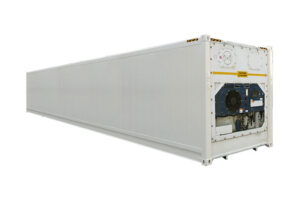
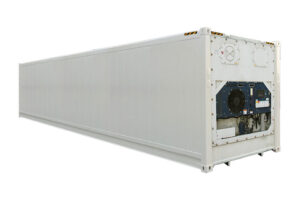
45′ Reefer PW HC (33 europalets)
DETAILS
- Category: 45′, HC, Reefer
- Measures:
- External (13,716 large | 2,484 width | 2,896 height) mt.
- Internal (13,532 large | 2,426 width| 2,694 height) mt.
- Capacity:
- Max. Load 29,350 kg.
- Mgw 34,000 kg.
- Tare 4,650 kg.
- Volume 88,40 m³.
- * The measures of the equipment can suffer some variation according to the constructor (Especially the inner measures), The capacities are orientative and will adjust to the indicated thing in the plate CSC of the container.
DESCRIPTION
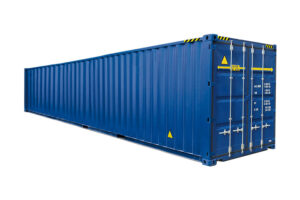
45′ PW HC (33 europalets)DETAILS
- Category: 45′, HC
- Measures:
- External (13,716 large | 2,484 width | 2,896 height) mt.
- Internal (13,532 large | 2,426 width| 2,694 height) mt.
- Capacity:
- Max. Load 29,350 kg.
- Mgw 34, 000 kg.
- Tare 4,650 kg.
- Volume 88,40 m³.
- * The measures of the equipment can suffer some variation according to the constructor (Especially the inner measures), The capacities are orientative and will adjust to the indicated thing in the plate CSC of the container.
DETAILS
- Category: 40′, HC, Reefer
- Measures:
- External (12,192 large | 2,438 width | 2,896 height) mt.
- Internal (11,590 large | 2,294 width| 2,557 height) mt.
- Capacity:
- Max. Load 30,420 kg.
- Mgw 35,000 kg.
- Tare 4,580 kg.
- Volume 67,90 m³.
- * The measures of the equipment can suffer some variation according to the constructor (Especially the inner measures), The capacities are orientative and will adjust to the indicated thing in the plate CSC of the container.
INCOTERMS
(Ex Works): the buyer has to pick up the merchandise directly at the seller’s premises (normally a warehouse or factory). From there, the buyer bears the costs and risks.
(Free Carrier): the seller delivers the merchandise at a point agreed with the buyer, always within the country of origin. The procedures and associated expenses are borne by the seller until the collection.
(Free on Board): this is one of the most used rules for maritime transport. The seller transfers the merchandise on board the ship, not just leaving it on the dock. It does not apply to river transport.
(Cost and Freight): the seller pays all transportation costs, from the time the merchandise is loaded on the ship until it reaches land at the port of destination. However, the buyer is responsible for possible damage from the time of shipment.
CIF (Cost Insurance and Freight): as with the CFR, the seller covers all transport costs, but insurance is also included here.
(Delivered at Terminal) changed to DPU (Delivered at Place Unloaded): delivery, including unloading, is made at the place chosen by the buyer. This one only has to pay the import clearance. All other expenses are the responsibility of the seller.
(Delivered at Place): both parties agree on a delivery point and the seller bears all costs and risks until the buyer picks up the cargo. Import charges are not included and are paid by the buyer.
(Delivered Duty Paid): it is the most comfortable modality for the buyer, since the seller takes care of everything: transport, unloading, insurance, import…